
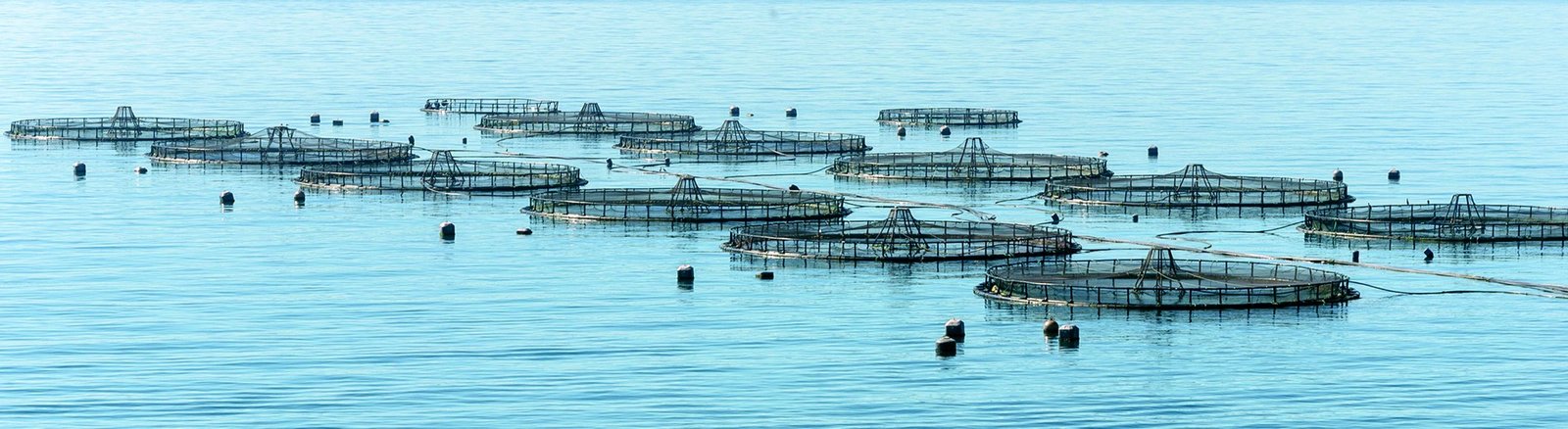
Aquaculture has become one of the fastest-developing parts of Saudi Arabia’s food economy. Under Vision 2030, the Kingdom is investing in domestic fish and shrimp production to strengthen food security, diversify beyond oil and build a competitive blue economy.
Why aquaculture matters for the Kingdom
Saudi Arabia has long imported a large share of the seafood it consumes. Expanding local production reduces that dependence while creating jobs, exports and investment across coastal regions. With roughly 1,800 km of Red Sea coastline plus Arabian Gulf waters, the country has the natural resources to become a regional aquaculture hub.
National momentum and targets
Aquaculture is a priority within the national food-security agenda, with public targets pointing toward a major rise in production by 2030. Large producers already operate at scale in the Kingdom — the companies and organisations active across shrimp, marine finfish and hatchery segments show how quickly the sector is maturing.
Species and systems in focus
- Shrimp — a flagship export product from Red Sea farms.
- Marine finfish such as Asian seabass (barramundi) and other warm-water species.
- Production systems ranging from sea cages to land-based recirculating aquaculture systems (RAS) and modern hatcheries.
Where the opportunity lies
Growth on this scale needs feed, technology, equipment, veterinary services and skilled talent. That is exactly where the aquaculture value chain meets investors and suppliers. The Saudi International Marine Exhibition (SIMEC) is the platform where these players connect.
Join the conversation at SIMEC 2027 in Riyadh. Register to attend or exhibit.